In today’s digital economy, businesses need more than just a website — they need a powerful online store that attracts customers, delivers seamless shopping experiences, and drives consistent revenue. Ecommerce website development plays a critical role in transforming a simple website into a fully functional digital marketplace where customers can browse products, make purchases, and interact with your brand.
Modern ecommerce platforms combine advanced technology, intuitive design, and secure payment systems to create efficient online businesses. Whether you’re launching a startup store or scaling an existing business, professional ecommerce development ensures your website is fast, secure, mobile-friendly, and optimized for conversions.
Businesses that want to compete online often partner with a top web digital agency to build custom ecommerce solutions tailored to their goals, products, and target audience. In this guide, you’ll learn how ecommerce websites work, the key features they require, and how professional development can help your business grow faster in the digital marketplace.
What Is Ecommerce Website Development?
Ecommerce website development refers to the process of building an online platform where businesses can sell products or services over the internet. It involves designing the website interface, integrating payment gateways, creating product catalogs, and implementing backend systems that manage orders, inventory, and customer data.
Unlike standard websites, ecommerce stores require several advanced features, including:
- Product management systems
- Secure checkout processes
- Shopping cart functionality
- Payment gateway integration
- Order tracking systems
- Customer accounts and dashboards
The development process usually includes both frontend development (the design and user interface customers interact with) and backend development (the server, database, and functionality powering the store).
A well-built ecommerce website helps businesses streamline operations while offering customers a smooth shopping experience.

Essential Components of an Ecommerce Website
Ecommerce Dashboard & Store Management
Every successful online store requires a powerful admin panel that allows business owners to manage products, track sales, and analyze performance. Ecommerce dashboards typically include:
- Sales analytics
- Inventory management
- Customer data
- Order tracking
- Marketing performance insights
These dashboards help store owners monitor their business and make data-driven decisions.
Benefits of Ecommerce Website Development
Developing a professional ecommerce website offers several major advantages for businesses.
1. 24/7 Online Sales
Unlike physical stores, ecommerce websites operate around the clock. Customers can browse products and place orders at any time, which significantly increases sales opportunities.
2. Global Market Reach
Ecommerce allows businesses to reach customers worldwide. Instead of relying on local traffic, your products can be sold across multiple regions and markets.
3. Lower Operational Costs
Online stores reduce costs associated with rent, utilities, and physical retail staff. Many ecommerce platforms also automate tasks such as order processing and inventory tracking.
4. Data-Driven Marketing
Ecommerce websites provide valuable data about customer behavior, including:
- Purchase patterns
- Product performance
- Customer demographics
- Conversion rates
Businesses can use these insights to improve marketing strategies and optimize sales funnels.

Essential Features of a Modern Ecommerce Website
A high-performing ecommerce store must include several core features to ensure functionality, security, and usability.
User-Friendly Interface
User experience is one of the most important factors in ecommerce success. A well-designed interface should make it easy for customers to:
- Search for products
- Browse categories
- Add items to the cart
- Complete checkout quickly
Clear navigation and intuitive layouts significantly improve conversion rates.
Mobile Responsiveness
More than half of online shopping now happens on mobile devices. Ecommerce websites must be fully responsive, meaning they adapt seamlessly to smartphones, tablets, and desktops.
Mobile-friendly stores increase accessibility and help businesses capture mobile traffic.
Secure Payment Gateways
Security is essential in ecommerce transactions. Secure payment gateways protect customer information and ensure safe financial transactions.
Common payment integrations include:
- Credit and debit cards
- PayPal
- Apple Pay
- Google Pay
- Cryptocurrency payments (optional)
SSL encryption and fraud protection tools further enhance security.
Product Management System
A robust product management system allows businesses to easily manage their catalog. Store owners can:
- Add or remove products
- Update pricing
- Manage product variations
- Upload product images
- Track inventory
Efficient product management ensures stores remain organized and up to date.
Shopping Cart & Checkout System
The checkout experience directly affects conversion rates. An optimized ecommerce checkout process should include:
- Easy cart management
- Guest checkout options
- Multiple payment methods
- Automatic tax calculation
- Secure transactions
A simplified checkout reduces cart abandonment.
Customer Reviews and Ratings
Customer reviews build trust and credibility. Shoppers often rely on feedback from other customers before making purchasing decisions.
Review systems also provide valuable insights that help businesses improve products and services.
Ecommerce Website Development Process
Building a successful ecommerce website typically involves several key steps.
1. Business Planning
The development process begins with defining business goals, target audience, and product strategy.
Key considerations include:
- Type of products
- Target market
- Pricing strategy
- Shipping logistics
2. Platform Selection
Choosing the right ecommerce platform is crucial for scalability and performance. Popular options include:
- WooCommerce
- Shopify
- Magento
- OpenCart
Each platform offers different levels of customization, cost, and scalability.
3. UI/UX Design
Designers create wireframes and prototypes that define the visual layout of the store.
Design elements include:
- Homepage layout
- Product pages
- Checkout pages
- Category navigation
- Mobile interface
An engaging design encourages customers to explore and purchase.
4. Development & Integration
Developers build the website functionality and integrate:
- Payment gateways
- Shipping services
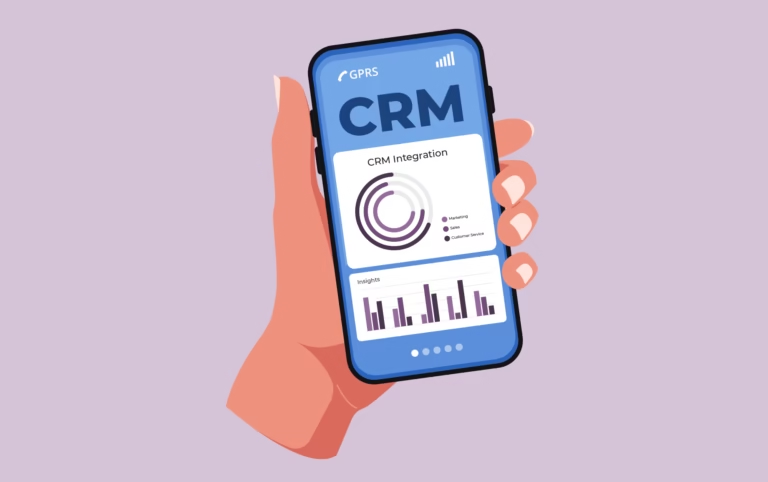
- CRM systems
- analytics tools
- marketing integrations
This stage ensures all systems work seamlessly together.
5. Testing & Launch
Before launch, the website undergoes extensive testing to ensure:
- Fast loading speed
- Security compliance
- Mobile compatibility
- Checkout functionality
- Error-free navigation
Once testing is complete, the store goes live.
Ecommerce SEO and Performance Optimization
Building a store is only the first step. To attract customers, ecommerce websites must also be optimized for search engines.
Key SEO strategies include:
- Keyword-optimized product descriptions
- Structured data markup
- Fast loading pages
- Mobile optimization
- Internal linking
- Optimized category pages
Performance optimization also improves conversion rates by reducing page load time and improving user experience.
How Much Does Ecommerce Website Development Cost?
The cost of ecommerce website development depends on several factors.
Factors affecting cost include:
- Design complexity
- Number of products
- Custom features
- Integrations
- Security requirements
Investing in professional development ensures your store performs well and scales as your business grows.

Why Choose Professional Ecommerce Development?
While DIY website builders exist, professional ecommerce development offers several advantages:
- Custom design tailored to your brand
- Faster loading websites
- Advanced security protection
- SEO-ready architecture
- Better scalability for growing businesses
Working with experienced developers ensures that your online store is optimized for both performance and conversions.
Why Choose Webquence for Ecommerce Website Development
Creating a successful ecommerce store requires technical expertise, strategic planning, and performance optimization. Webquence specializes in delivering high-quality ecommerce solutions designed for growth and scalability.
Key advantages include:
- Custom ecommerce website development
- Mobile-first responsive design
- SEO-friendly architecture
- Fast page speed optimization
- Secure payment gateway integration
- Ongoing support and maintenance
Whether you’re launching a new online store or upgrading an existing one, professional development can significantly improve your digital presence.
Conclusion
Ecommerce continues to reshape the way businesses sell products and connect with customers. A professionally developed ecommerce website not only provides a platform for online sales but also becomes a powerful tool for brand growth, customer engagement, and long-term scalability.
By combining user-friendly design, secure payment systems, and performance optimization, ecommerce websites create seamless shopping experiences that convert visitors into loyal customers.
If you’re planning to launch or upgrade your online store, investing in professional ecommerce website development can give your business the competitive advantage it needs to succeed in today’s fast-growing digital marketplace.