In today’s digital economy, businesses require more than a static website to stay competitive. Modern companies rely on powerful digital platforms that streamline operations, automate processes, and deliver real-time insights. This is where web application development becomes essential.
A well-designed web application allows businesses to manage data, interact with customers, and deliver digital services directly through a browser. From SaaS platforms and booking systems to CRM dashboards and enterprise portals, web applications power many of the tools organizations rely on daily.
Working with a top web digital agency like Webquence ensures that your business receives a scalable, secure, and high-performance application tailored to your specific goals.
This guide explains what web application development is, how it benefits modern businesses, and why custom solutions can help your organization grow faster in a digital-first world.
What Is Web Application Development?
Web application development is the process of building interactive software that runs in a web browser. Unlike traditional websites that mainly present information, web applications allow users to perform tasks, manage data, and interact with systems in real time.
Examples of web applications include:
- Project management tools
- Customer relationship management (CRM) platforms
- Online booking systems
- SaaS dashboards
- Collaboration tools
- E-commerce management systems
Many modern business tools operate through web-based dashboards that present data visually and allow users to interact with complex systems through an intuitive interface.
Modern web applications typically rely on technologies such as HTML, CSS, and JavaScript for their interface and backend frameworks that manage data and system logic. These technologies enable developers to create responsive and dynamic applications accessible from any device.

Why Businesses Need Web Applications Today
The shift toward digital operations has transformed how companies operate. Businesses increasingly depend on web-based systems to manage operations efficiently and deliver better customer experiences.
Here are several reasons why web applications are critical for modern organizations.
1. Digital Transformation
Companies are rapidly digitizing their processes. Web applications enable businesses to move workflows online, reduce manual tasks, and increase operational efficiency.
2. Accessibility Across Devices
Web applications can be accessed from any device with a browser. Employees and customers can use them from desktops, tablets, or smartphones without installing additional software.
3. Improved Collaboration
Many businesses rely on cloud-based tools that allow teams to collaborate in real time. Web applications make it possible for multiple users to interact with the same system simultaneously.
4. Data-Driven Decisions
Web applications allow companies to collect and analyze data through dashboards and analytics tools. Platforms such as Grafana, for example, help organizations visualize complex data through web-based dashboards that display metrics and insights in real time.
5. Scalability for Growth
Unlike traditional software, web applications can scale easily. As your business grows, your platform can expand with new features, integrations, and users.
Benefits of Custom Web Application Development
While off-the-shelf software may work for some businesses, custom web applications provide far greater flexibility and long-term value.
Tailored Business Solutions
Custom applications are built around your specific workflows and processes. Instead of adapting your business to existing software, the software adapts to your business.
Scalability
A custom-built system grows with your company. Whether you need to add new modules, integrate services, or support more users, the architecture can evolve without major limitations.
Enhanced Security
Security is a critical component of any web application. Custom systems allow developers to implement advanced security measures such as:
- encrypted communications
- secure authentication systems
- role-based access control
- data protection protocols
These features help protect sensitive data and maintain compliance with security standards.
Performance Optimization
Custom development ensures that applications are optimized for performance. Faster loading speeds and efficient architecture improve user experience and productivity.
Seamless Integrations
Businesses often rely on multiple tools and platforms. Custom web applications can integrate seamlessly with:
- payment gateways
- CRM systems
- marketing tools
- analytics platforms
- third-party APIs

Types of Web Applications
Web applications come in many forms depending on their functionality and complexity.
Static Web Applications
Static web applications are simple platforms that deliver content without significant user interaction. These applications are lightweight but limited in functionality.
Dynamic Web Applications
Dynamic applications interact with databases and update content based on user input. Examples include dashboards, content management systems, and social media platforms.
SaaS Applications
Software-as-a-Service (SaaS) applications deliver software through the cloud. Users access the platform through a browser rather than installing software locally.
Examples include:
- CRM systems
- accounting software
- project management tools
Progressive Web Applications (PWA)
Progressive web apps combine features of websites and mobile applications. They offer offline capabilities, push notifications, and fast loading speeds while still operating through a browser.
Enterprise Web Applications
Large organizations rely on enterprise-level web applications to manage operations, analyze data, and automate workflows across departments.
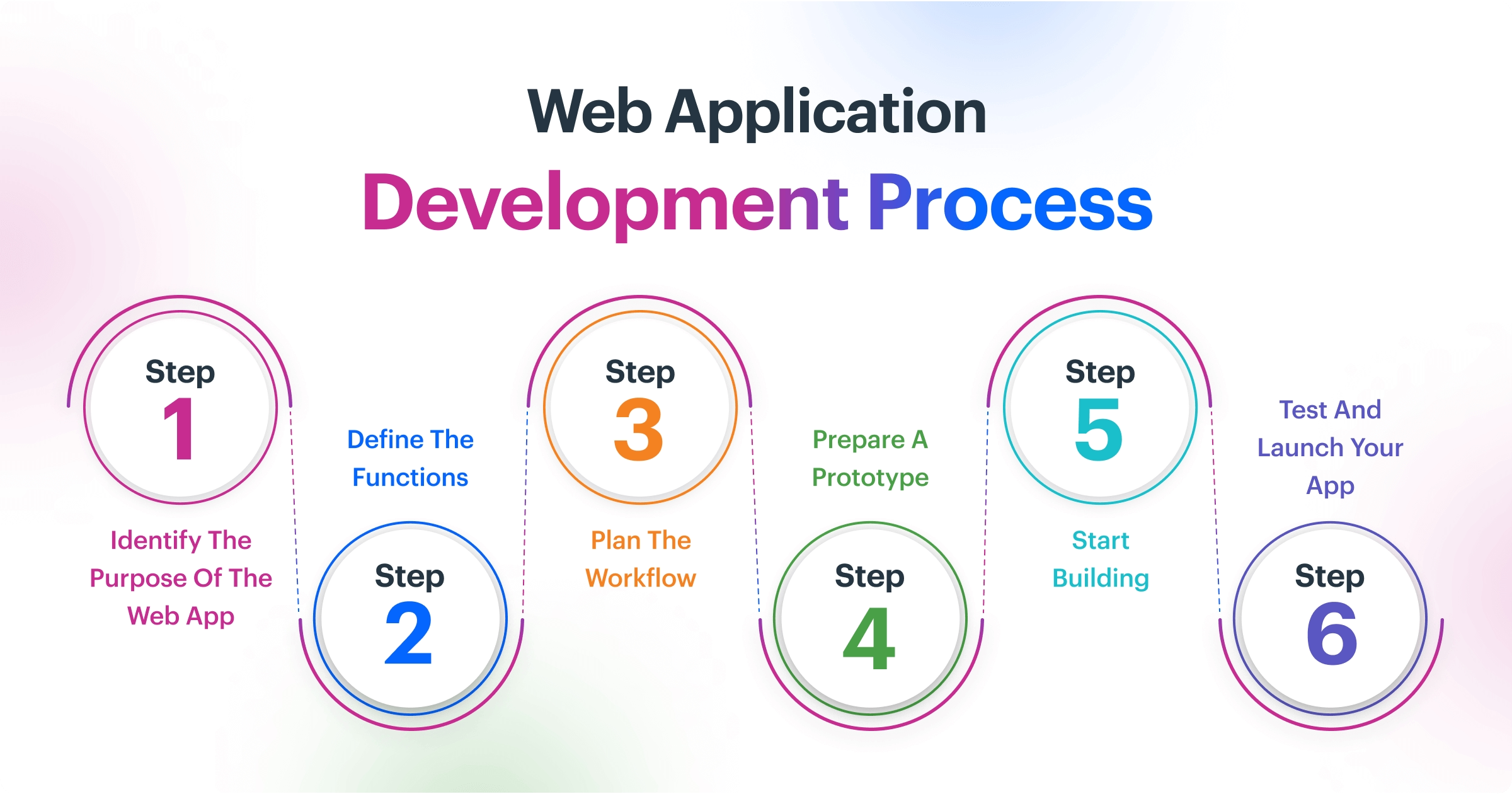
Our Web Application Development Process
Building a successful web application requires a structured development process. At Webquence, the process focuses on delivering reliable and scalable solutions that align with business goals.
1. Discovery and Business Analysis
The development process begins with understanding the client’s needs. This phase includes:
- identifying project goals
- defining core features
- analyzing user requirements
- planning system architecture
2. UI and UX Design
User experience plays a crucial role in application success. Designers create intuitive interfaces that make complex systems easy to use.
Modern dashboards and user interfaces allow users to quickly analyze information and navigate systems efficiently.
3. Development
During development, engineers build the front-end and back-end systems that power the application.
Front-end technologies often include:
- React
- Vue.js
- Next.js
Back-end technologies may include:
- Node.js
- Python
- PHP
4. Testing and Quality Assurance
Before launch, developers perform extensive testing to ensure the application works smoothly across devices and browsers.
Testing includes:
- performance testing
- security testing
- usability testing
- compatibility testing
5. Deployment
Once the application passes testing, it is deployed to production servers. Cloud infrastructure allows the application to scale and handle traffic efficiently.
6. Ongoing Maintenance
Web applications require continuous updates and maintenance to ensure security and optimal performance.
Regular updates include:
- bug fixes
- security patches
- feature improvements
- system optimization
Technologies Used in Web Application Development
Modern web applications rely on a combination of technologies to deliver powerful functionality and seamless performance.
Frontend Technologies
Frontend frameworks control how users interact with the application.
Popular technologies include:
- React
- Angular
- Vue.js
- HTML5 and CSS3
Backend Technologies
Backend systems manage data processing, authentication, and server logic.
Common backend frameworks include:
- Node.js
- Django
- Laravel
- Express.js
Databases
Databases store and organize application data.
Examples include:
- PostgreSQL
- MySQL
- MongoDB
Cloud Infrastructure
Cloud platforms provide scalability, security, and global availability.
Popular solutions include:
- AWS
- Google Cloud
- Microsoft Azure
Key Features of High-Quality Web Applications
Successful web applications share several essential features.
Responsive Design
Applications must work seamlessly across different devices and screen sizes.
Secure Authentication
Secure login systems protect sensitive user data.
Real-Time Functionality
Many modern platforms provide real-time updates and notifications to keep users informed instantly.
Database Integration
Reliable database architecture ensures accurate data management and efficient system performance.
API Integration
APIs allow web applications to connect with external services, expanding their functionality and capabilities.

How Webquence Builds High-Performance Web Applications
Webquence focuses on building web applications that combine strong technical architecture with intuitive design.
The development approach includes:
- scalable architecture for growing businesses
- secure coding practices
- modern UI/UX design principles
- API-driven integrations
- performance optimization
By focusing on reliability and scalability, Webquence delivers solutions that support long-term business growth.
Web Application Development Cost
The cost of developing a web application varies depending on several factors.
These factors include:
- application complexity
- number of features
- integrations with external services
- development timeline
- design requirements
Simple web applications may cost a few thousand dollars, while complex enterprise platforms may require significantly larger investments. However, a well-built web application often delivers strong ROI by improving efficiency and automation.
Why Choose Webquence for Web Application Development
Choosing the right development partner is essential for the success of any digital project.
Webquence provides:
- experienced development teams
- customized digital solutions
- scalable architecture
- high-performance systems
- ongoing support and maintenance
As a trusted digital partner, Webquence helps businesses transform ideas into powerful web applications that drive growth and innovation.
The Future of Web Application Development
Web applications will continue to evolve as new technologies emerge. Artificial intelligence, cloud computing, and advanced data analytics are already transforming how businesses build and use digital platforms.
Companies that invest in scalable web applications today position themselves for long-term success in an increasingly digital world.
From internal dashboards to customer-facing platforms, web applications provide the infrastructure businesses need to operate efficiently and compete globally.
Conclusion
Web application development has become one of the most important investments for modern businesses. Custom web applications enable companies to streamline operations, enhance customer experiences, and unlock powerful insights through data-driven tools.
By leveraging modern technologies, scalable architecture, and intuitive design, businesses can build platforms that support growth and innovation for years to come.
If your organization is ready to build a powerful digital solution, partnering with a reliable web development agency can help turn your vision into reality. With the right strategy and expert developers, a custom web application can become the foundation of your digital transformation.